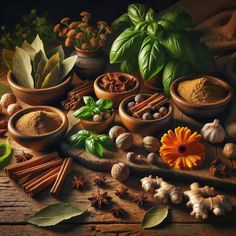
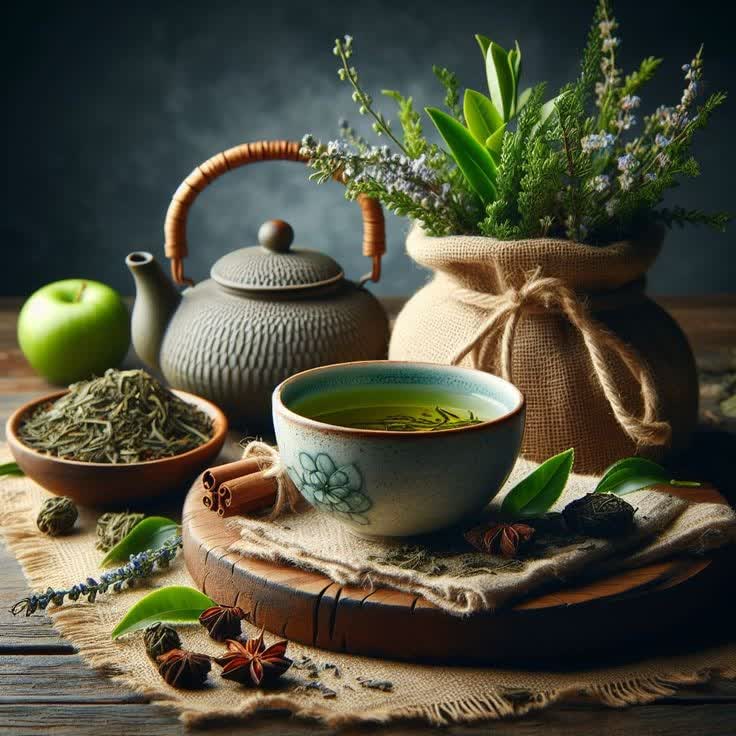
Medicinal plants have long been recognized as one of the primary foundations of disease treatment and health preservation in human societies. Derived from pristine and untouched nature, these plants hold a special place in both traditional and modern medicine due to their therapeutic, nutritional, and restorative properties. For thousands of years, humans have utilized the compounds found in plants to treat various ailments, and with scientific advancements, these compounds have also been incorporated into modern pharmaceuticals.
In today’s world, with growing awareness of the side effects of chemical drugs, there is a significant surge in demand for natural and herbal products. The use of medicinal plants not only aids in treating diseases but also plays a crucial role in disease prevention and boosting the immune system.
Our company is dedicated to producing high-quality, effective herbal products that comply with international standards. We believe that harnessing the power of nature is a healthy and sustainable path to enhancing community well-being. By leveraging modern technologies in processing and production, we strive to combine traditional knowledge with cutting-edge scientific achievements, offering our customers the best of both worlds.
The goal of this article is to deeply explore the effects of medicinal plants on the human body, provide comprehensive information about their history and applications, and introduce the company’s products, which are developed based on this knowledge. This article serves as a gateway for you to discover the fascinating world of medicinal plants and their role in improving the quality of life.
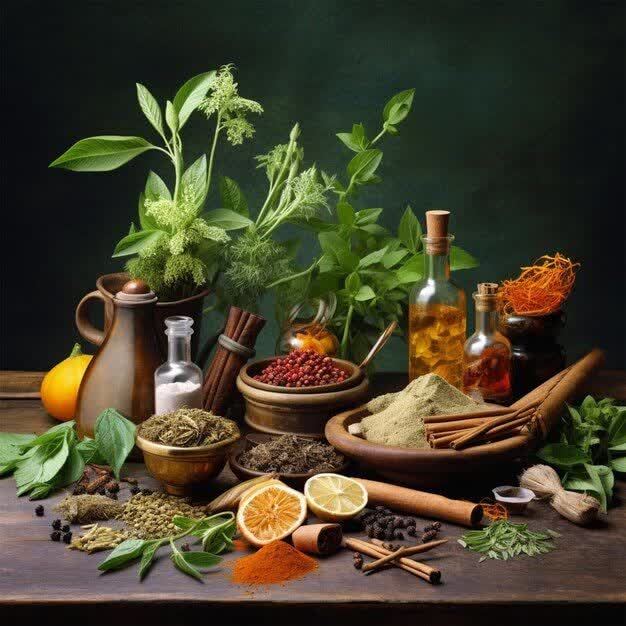
History of Medicinal Plants
Since ancient times, medicinal plants have served as natural remedies across various civilizations. In ancient Persia, they played a key role in traditional medicine, with scholars like Avicenna contributing significantly to this field. In China, traditional medicine widely utilized plants, with texts such as *Shennong Ben Cao Jing* guiding their use. Similarly, India’s Ayurveda relied on plants to maintain body balance and treat diseases.
In Europe, knowledge of medicinal plants from the East laid the foundation for modern pharmacology. Many modern drugs, such as aspirin and morphine, are derived from plants. Today, the integration of traditional knowledge with modern technology highlights the growing importance of medicinal plants.
Preparation and Usage Methods of Medicinal Plants
Medicinal plants can be used in various ways, depending on the type of plant and the intended therapeutic purpose. Below are some common methods:
1. Infusion:
Ideal for plants like chamomile and borage, where active compounds are easily released in hot water. Steeping the plant in hot water for a few minutes extracts its benefits.
2. Decoction:
Used for tougher plant parts such as roots, bark, and seeds (e.g., ginger and green tea). These are boiled to release their active compounds.
3. Extracts:
Active compounds are extracted using solvents like alcohol or glycerin. Extracts are highly concentrated and typically used as drops or syrups.
4. Herbal Oils:
Oils such as peppermint or lavender are extracted through steam distillation or pressing and are used topically or for aromatherapy.
5. Capsules and Tablets:
Many medicinal plants are now available as powders encapsulated in pills, offering precise doses and convenience.
6. Topical Applications:
Plants like aloe vera are used as gels or creams for skin relief and wound healing.
7. Inhalation :
Plants such as eucalyptus and thyme are inhaled as steam to relieve respiratory issues and open airways.
Safety Tips:
– Overuse of certain herbs can lead to side effects.
– Medicinal plants may interact with pharmaceutical drugs.
– Pregnant women and individuals with chronic conditions should consult a doctor before use.
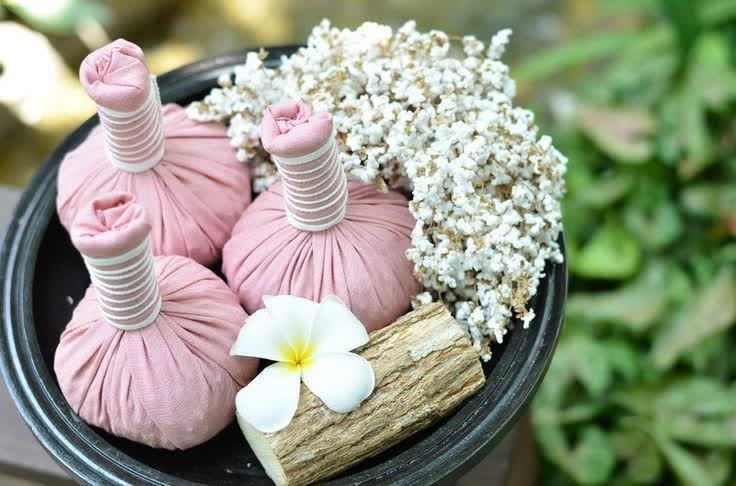
Modern Technologies and Innovations in Medicinal Plant Products
Today, producing herbal products goes far beyond traditional practices. Scientific advancements have introduced cutting-edge technologies to enhance the quality, efficacy, and sustainability of medicinal plant products. Below are key innovations in this field:
1. Advanced Extraction of Active Compounds
Extracting active compounds effectively is crucial. Modern methods like Ultrasound-Assisted Extraction and Supercritical Fluid Extraction allow for faster and more efficient isolation while preserving the integrity of sensitive compounds.
2. Standardization of Compounds
Ensuring product consistency and efficacy requires standardization. Techniques such as High-Performance Liquid Chromatography (HPLC) accurately measure active ingredients, guaranteeing precise dosages in every batch.
3. Nanotechnology in Herbal Products
Nanotechnology has revolutionized herbal medicine. Nanoencapsulation of plant compounds enhances bioavailability and ensures controlled, targeted release within the body, boosting their effectiveness.
4. Diverse and Innovative Product Forms
Modern technologies enable the creation of varied products like skin creams, sprays, syrups, supplements, and tea bags. This variety makes herbal remedies more accessible and appealing to consumers.
5. Sustainable Agriculture and Biotech Solutions
Sustainable farming methods, including plant tissue culture and organic farming, ensure high-quality raw materials. Controlled growth environments and biotechnological tools contribute to superior plant-derived ingredients.
6. Digitalization and Artificial Intelligence
AI and big data analytics accelerate the discovery of new plant-based compounds and therapeutic applications. Advanced software can predict potential effects, expediting product development.
Effects of Medicinal Plants on the Human Body
Medicinal plants have extensive health benefits due to their natural active compounds, such as alkaloids, flavonoids, terpenes, and tannins, each contributing uniquely to bodily functions.
1. Digestive System:
Plants like mint and ginger improve digestion and alleviate issues like bloating and nausea. They have anti-inflammatory and soothing effects on the stomach.
2. Nervous System:
Herbs like chamomile and lavender promote relaxation, reduce stress, and enhance sleep. Their calming compounds positively affect the central nervous system.
3. Respiratory System:
Plants like thyme and eucalyptus are effective in treating respiratory infections and reducing airway inflammation. They are commonly used in steam inhalations and cough syrups.
4. Immune System:
Plants such as turmeric and aloe vera, with their strong antioxidant properties, boost the immune system and help prevent chronic diseases.
Medicinal plants also play a significant role in preventing heart disease, diabetes, and cancer. Proper use of these plants, backed by scientific knowledge, can enhance overall health while minimizing the side effects of chemical medications.

The Company’s Products and Their Features
Our company is dedicated to producing high-quality, effective herbal products based on scientific knowledge and advanced technologies. Our products are made from medicinal plants with proven therapeutic properties and are processed using state-of-the-art methods to ensure maximum efficacy and safety. In this section, we will introduce some of the company’s key products and their features:
1. Herbal Syrup for Immune System Boost
This syrup is made from a combination of herbs such as turmeric, ginger, thyme, and elderberry, known for their strong antioxidant and anti-inflammatory properties. It helps strengthen the immune system and prevent illnesses. The ingredients in this syrup reduce inflammation and enhance the body’s resistance to pathogens.
2. Memory and Focus Supplement Capsules
These capsules contain herbal ingredients such as Ginkgo Biloba, Guarana, and Ginseng root, which are beneficial for improving memory, focus, and reducing anxiety. Regular use of this supplement enhances brain function, mental clarity, and helps cope with daily stress.
3. Anti-Inflammatory Herbal Cream
This cream combines Aloe Vera, Chamomile extract, and Lavender oil to soothe joint pain and skin inflammation. It naturally hydrates and repairs the skin while reducing inflammation and discomfort.
4. Herbal Relaxation Tea
This tea contains a blend of calming herbs like chamomile, lavender, and valerian root. Drinking this tea helps alleviate stress, anxiety, and improve sleep quality. Additionally, its anti-inflammatory and antibacterial properties support overall health.
5. Herbal Pain Relief Oil
This oil contains natural herbs such as peppermint, eucalyptus, and olive oil, which are known to relieve muscle and joint pain. It is quickly absorbed into the skin and can be applied topically to treat pain from exercise, arthritis, and muscle inflammation.
General Features of the Company’s Products
– High-Quality Processing: All of our products are processed using advanced extraction technologies to ensure that the active compounds of the plants are fully preserved, guaranteeing the quality of the final product.
– Combining Traditional and Modern Knowledge: We produce our products by blending traditional medicine with the latest scientific research to provide optimal efficacy.
– Chemical-Free and Additive-Free: Our products contain no harmful chemicals or artificial additives and are made entirely from natural plants.
– Safety and Efficacy: All of our products are manufactured and tested according to international standards to ensure their safety and effectiveness.
Challenges and Opportunities in the Medicinal Plant Industry
The medicinal plant industry is growing rapidly, driven by the increasing interest in natural treatments. However, like any other industry, it faces both challenges and opportunities. In this section, we explore some of the key issues and prospects within the industry:
Challenges
1. Lack of Global Standards
One of the main challenges in the medicinal plant industry is the lack of global standards and clear regulations. This results in varying product quality across different countries. Without comprehensive standards, there is a risk of incorrect or ineffective use of herbal products.
2. Supply Chain and Raw Material Issues
Sourcing high-quality raw materials in sufficient quantities is another significant challenge. Cultivating medicinal plants requires specific conditions that may not be available in all regions. Additionally, climate changes and pests can affect the quality and quantity of plant materials.
3. Drug Interactions and Safety Concerns
Some medicinal plants may interact with pharmaceutical drugs and cause adverse effects. This is particularly concerning for individuals on long-term medication, as improper use of herbal products can lead to unwanted side effects.
4. Limited Research and Development
While research in medicinal plants is growing, many plants and their compounds have not been fully studied. The lack of access to comprehensive research data and resources limits the progress in this field.
Opportunities
1. Rising Demand for Natural Products
With increasing awareness of the risks associated with chemical drugs, there is a growing demand for natural herbal products. This trend provides significant business opportunities for companies in the medicinal plant industry.
2. Scientific and Technological Advancements
Recent advancements in technologies such as nanotechnology, advanced extraction methods, and innovative production techniques offer the potential to improve product quality. These innovations could address issues like inadequate absorption of active plant compounds.
3. Government Support and Sustainable Development Initiatives
Governments and international organizations are increasingly supporting sustainable agriculture and natural plant-based products. This support creates opportunities for the sustainable cultivation and large-scale production of medicinal plants.
4. Global Market Expansion
Given the rising interest in natural products, exporting medicinal plants and related products to global markets represents a significant opportunity. Companies can capitalize on these opportunities to expand their markets and enter new countries.
5. Integration of Traditional and Modern Medicine
The combination of traditional medicine with modern scientific research offers the potential to enhance the effectiveness and safety of medicinal plant products. This integration allows companies to develop products with more precise formulations and provide customers with scientifically backed solutions.

The Future of the Medicinal Plant Industry
The medicinal plant industry has witnessed significant growth in recent years, and it is expected to become one of the key pillars of health and pharmaceutical sectors in the near future. With scientific advancements, increased interest in natural and organic products, and growing consumer awareness, the future of this industry looks promising. Below are some of the trends and outlooks for the future of the medicinal plant industry:
1. Increased Demand for Natural and Organic Products
Due to the global trend of increasing awareness regarding the risks of chemical drugs and their side effects, the demand for herbal, organic, and natural products is growing. Consumers are seeking natural remedies free from harmful chemicals, creating vast opportunities for the development of new and innovative products in the medicinal plant industry.
2. Scientific Advances in Plant Properties
With advances in science and technology, research and development in medicinal plants will reach new heights in the future. More extensive and precise research on the active compounds of plants and their effects on the human body will make herbal medicines more effective and safer. Emerging technologies like plant genetics, nanotechnology, and biotechnology will help discover new properties of plants and optimize their use.
3. Adaptation to Market and Consumer Needs
As lifestyle changes and the demand for natural treatments increase, companies in the medicinal plant sector will need to develop products that meet consumer demands. For example, herbal products in various forms such as capsules, powders, teas, creams, and even beauty and personal care products will be introduced to cater to the diverse needs of customers.
4. Competition and Market Expansion
With the rapid growth of the medicinal plant industry, competition will also intensify. Companies will need to focus on innovation in production processes, improving product quality, and brand development to stay competitive. Additionally, emerging markets in developing countries and other regions will present opportunities for business expansion in the industry.
5. Legalization and Further Standardization
It is expected that the medicinal plant industry will move toward more legalization and standardization. Many countries will gradually implement stricter regulations for the production, sale, and use of herbal products. These standards will help establish a trustworthy and safe market for consumers and prevent the misuse or low-quality use of medicinal plants.
6. Emphasis on Sustainable Production and Conservation of Natural Resources
As environmental concerns grow, sustainable production of medicinal plants will become a crucial issue in the future of the industry. Sustainable farming practices, optimal plant cultivation, and biodiversity preservation will be essential factors that companies will need to consider to achieve both economic and environmental goals.
7. Enhanced Collaborations and Partnerships
In the future, international collaborations between companies, universities, and research centers will increase to develop new and innovative products in the medicinal plant industry. These partnerships can lead to knowledge exchange, improved product quality, and faster innovation in the industry.
Conclusion and Summary
The medicinal plant industry has gained widespread attention in recent years and continues to grow rapidly. Due to the increasing demand for natural and organic treatments and advancements in scientific research, this industry is evolving quickly. This article comprehensively covered various aspects of the industry, including the properties of medicinal plants, their effects on human health, the products manufactured by the company, and the challenges and opportunities within the sector. Below are the key findings and summary of the article:
1. The Importance of Medicinal Plants in Health Improvement
Medicinal plants, due to their numerous therapeutic properties, have been used in both traditional and modern medicine for centuries. These plants can help strengthen the immune system, reduce inflammation, treat various diseases, and even prevent certain health issues. Active compounds in plants, such as antioxidants and flavonoids, play a vital role in improving overall health.
2. Production of High-Quality Medicinal Plant Products
Manufacturers and producers of medicinal plant products must pay close attention to the high quality and precise processing of these products. Advanced extraction methods, combining plants with proven therapeutic effects, and adhering to international standards can help ensure the efficacy and safety of the products. High-quality products provide consumers with the assurance that they are receiving effective and natural treatments.
3. Challenges and Opportunities in the Medicinal Plant Industry
The medicinal plant industry faces challenges such as the lack of global standards, difficulties in sourcing raw materials, and drug interactions. However, there are many opportunities as well. Rising demand for natural products, scientific advancements, new technologies, and global market expansion are all opportunities that can contribute to the industry’s growth. International collaborations and government support can also play a crucial role in advancing the sector.
4. Future Outlook of the Medicinal Plant Industry
The future of the medicinal plant industry looks promising due to the growing demand for natural and organic products, scientific advancements in plant research, and the adaptation to consumer needs. The industry is expected to move towards greater standardization, sustainable production, and legalization. Increased competition and innovation in production processes will allow companies to offer higher-quality and more effective products.
5. Final Conclusion
Ultimately, the medicinal plant industry, as a dynamic and growing sector, offers numerous opportunities for investors, producers, and consumers. Companies must focus on scientific research, international standards, and addressing customer needs in order to develop their products and advance the industry. While challenges exist, the future of this industry is bright, and it can contribute significantly to improving health and quality of life.